
Tanna Pirie, Clean Energy Advocate and Mentor
Tanna Pirie has been connected to the relationship between environment and energy her entire life. Growing up on the Aroostook River in New Brunswick, with the Tinker hydroelectric dam in her backyard, Tanna as a child would imagine the dam as a stone castle, both beautiful and powerful. This interplay of land, water, and energy has continually inspired her through her work as a proud community member of the Neqotkuk Maliseet Nation (Tobique First Nation) and powerhouse advocate for indigenous clean energy.
Early Teachings from the Land
From an early age, Tanna’s parents would spend a lot of time outside with her, teaching her about the land around them and how it can provide. When times were tough for her family, her father would go out for the day and return with rabbits from the forest and salmon and trout from the river telling her poignantly, “I don’t want you to ever think that we will ever be without”. Another source of her early connection to the environment and what would also later influence her role in mentorship she says, was being a member of the Girl Guides. They taught her the importance of protecting the environment, working as a team, and sharing your knowledge with those around you, values echoed by the aunties in her community. When Tanna left home, the pull she had to Mother Earth and making it a better place continued to follow her from exploring careers in forestry, sociology and restorative justice. She also found a growing passion for renewable energy, through reading about solar and ambient light harvesting technologies. The idea of blending modern technology with reconnection to the natural energies of the land is something she says that really moved her and propelled her interest into the space.
Leading Opportunities for Neqotkuk First Nation and the Wocawson Energy Project
Tanna went on to complete 15 years in federal public service and during that time, she was always working to ensure that her people had a place, through the message that it has always been their place to begin with. She said it was about educating those she worked with to understand that concept and finally making room at tables where indigenous people had not been invited for quite a number of years. From there, her elders had begun asking her to apply for a CEO position that became available back in her community of Neqotkuk First Nation. While unsure at first about the opportunity, while doing some spring-cleaning Tanna’s resume fell out onto the floor in front of her and she took that as a sign and applied for the job. It certainly turned out to be a good sign, because not only did it lead to Tanna becoming the first woman to serve as Senior Band Administrator and CEO of Band-Owned Enterprises for Neqotkuk First Nation, it also led her to her involvement with a wind project that would personally be very close to her heart – The Wocawson Energy Project.
When asked what this project meant to her, Tanna says the Creator always brings you where you need to be and The Wocawson Energy Project was a step towards reparation for her. Her Great Grandfather, Chief William Saulis was the Chief who signed his “x” on the documents that allowed the province’s utility to build the dam in her home community, Tobique dam, so her part in the Wocawson project she says was ancestral. She saw a sacred opportunity, along with Chief Ross Perley, who is Chief William Saulis’s great grandson, to make sure their people and their lands were properly protected and served by the project, especially where they had been let down by promises made to their great grandfather in the past. She called it seven generation legacy building, and it was a decision that the community came together to make. Through engagement sessions they discussed wind energy, its concerns, the concerns associated with other energies and by allowing her people to lead, the elders were able to evaluate all of the pieces and see an opportunity to gain meaningful investment including protections over their land and the wildlife inhabiting it.
Community Engagement – The Role of Communication and Building Trust
Throughout her journey advocating for indigenous clean energy projects like the Wocawson Energy Project, Tanna has had to work extensively on building and maintaining community relationships which she says mainly comes down to fostering comprehension through proper communication. When getting communities on board with a new energy project, people can simply fear what they do not understand, and Tanna believes to bring people to an understanding, you need to meet them where they are at. It can start with “what do you know about renewables?”, “do you know how your house is powered?” or “do you realize the energy usage that was required to get you here today?”. From there, she says you can build a fruitful engagement session because you’re meeting people at their understanding and bringing everyone along together as a team to help them see what you see in the opportunity. She believes sometimes we need to forget the AI script to talk to people and get back to basic human connection and listening. The elders of her community would teach that we have two ears because you listen twice, and one mouth because you speak once. It’s going back to those teachings and being able to listen and understand others’ perspectives in order to build trust. You need to approach community engagement from “I’m here to listen and understand” rather than “how can we just get you on board and manufacture consent”.
What’s Next?
Tanna has no trouble keeping busy these days, as she spends time on the advisory committee for the Wolastoqey and Mi’kmaq communities in New Brunswick, consulting, and continuing to serve as a mentor for Indigenous Clean Energy. She says there are a lot of energy projects being proposed for the region, and she continues to make it her mission to go out and learn as much as she can about them, so she can support communities with making informed decisions. Nuclear and Hydrogen energy are the more recent areas she has been stepping into, by attending meetings, webinars, and information sessions. She is clear that her role is not to advocate for these projects, but to ensure that Indigenous perspectives are not excluded from the conversation. For her, this work is about making sure her people are not left out of important discussions. She approaches this space with a commitment to learning and sharing knowledge, helping to bring information back to the community while ensuring that any conversations around new energy technologies are guided by community values, teachings, and beliefs.
Closing Thoughts
When it comes to underrepresented groups in the energy industry, Tanna believes it is a space where everyone deserves to participate. Simply and eloquently put, “empowered women feel safe” she says. Her teachings remind her that women are the life givers in this world, and that is something that can never be taken away. Organizations like Women in Renewable Energy give women the safe space to build up that power for each other, and be there for each other in this crazy world we are living in. Relating it to the sweat lodges of her people, the sweat lodge is meant to mimic the protection of Mother Earth, the womb of our mothers, and this is the space that Joanna Osawe, President of WiRE, has created for women in this industry. It is a place where you can be reminded not only of the power you have in the energy sector, but that you belong there and with this community around you, you are never alone.
A special thank you to Ashley Lawrence for sharing Tanna’s story and bringing her experiences, teachings, and contributions to life through this piece.
Article written by Ashley Lawrence
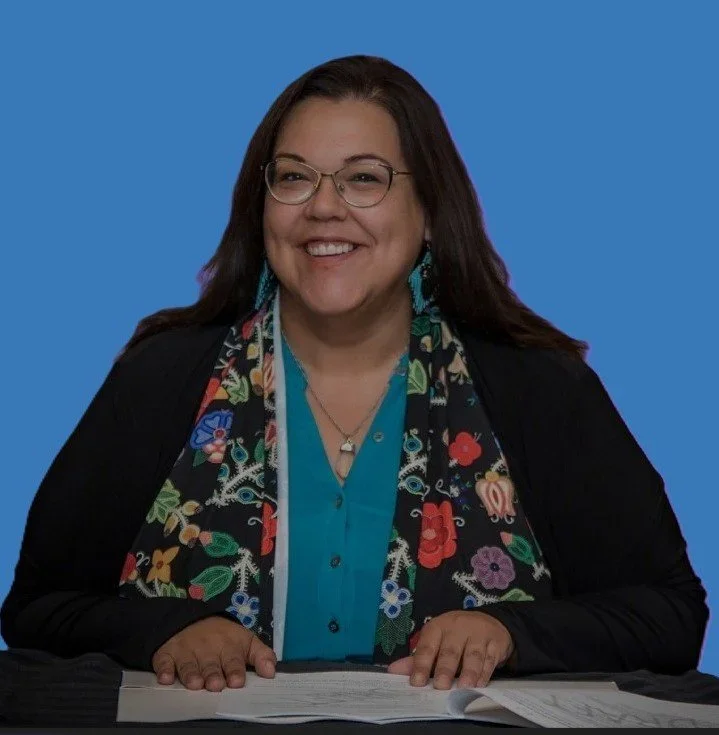
Tanna Pirie, Clean Energy Advocate and Mentor
